
Chatters in the Ministry of Commerce have taken heat over Piyush Goyal’s comments about efficacy of India’s FTAs with Japan & South Korea
Commerce Minister Piyush Goyal has candidly highlighted the inefficiencies plaguing India’s Free Trade Agreements (FTAs) with Japan and South Korea. Despite formal trade deals, these countries rarely open their markets to Indian products, limiting the benefits India could derive from such agre
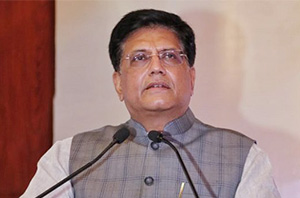
Commerce Minister Piyush Goyal has candidly highlighted the inefficiencies plaguing India’s Free Trade Agreements (FTAs) with Japan and South Korea. Despite formal trade deals, these countries rarely open their markets to Indian products, limiting the benefits India could derive from such agreements. Goyal pointedly noted that Japan and Korea do not rely on strict government regulations to protect their domestic markets; rather, their industries and consumers naturally prioritize supporting local manufacturers. This cohesive and nationalistic approach starkly contrasts with the Indian scenario, where businesses often prefer imports even when comparable goods are available domestically.
The Minister’s comments expose a critical gap in India’s trade strategy: the failure to translate FTAs into tangible market access and mutual economic benefit. Indian businesses’ tendency to import cheaper foreign goods, despite the availability of local alternatives, undermines the country’s manufacturing sector. This raises fresh debates on whether India should more stringently enforce FTA compliance norms to ensure reciprocal market opening by its trade partners.
Additionally, there is increasing pressure within India to cultivate a stronger culture of consuming Indian-made products, even at a slightly higher cost. Advocates argue that greater emphasis on domestic procurement will not only reduce import dependence but also bolster India’s manufacturing capabilities, aligning with the government’s broader goal of economic self-reliance. Goyal’s call for businesses to adopt this mindset reflects a growing consensus on the need for stronger policy enforcement and cultural shift toward supporting local industry.





Comments (0)
No comments yet. Be the first.