
How IFoS Nishant Kumar is using technology and community networks to manage one of Chhattisgarh's toughest human-elephant conflict zones
Managing human elephant conflict poses significant challenges. In Chhattisgarh Katghora Forest Division, a technology driven strategy backed by active community participation is helping mitigate the issue while also generating livelihood opportunities for locals.
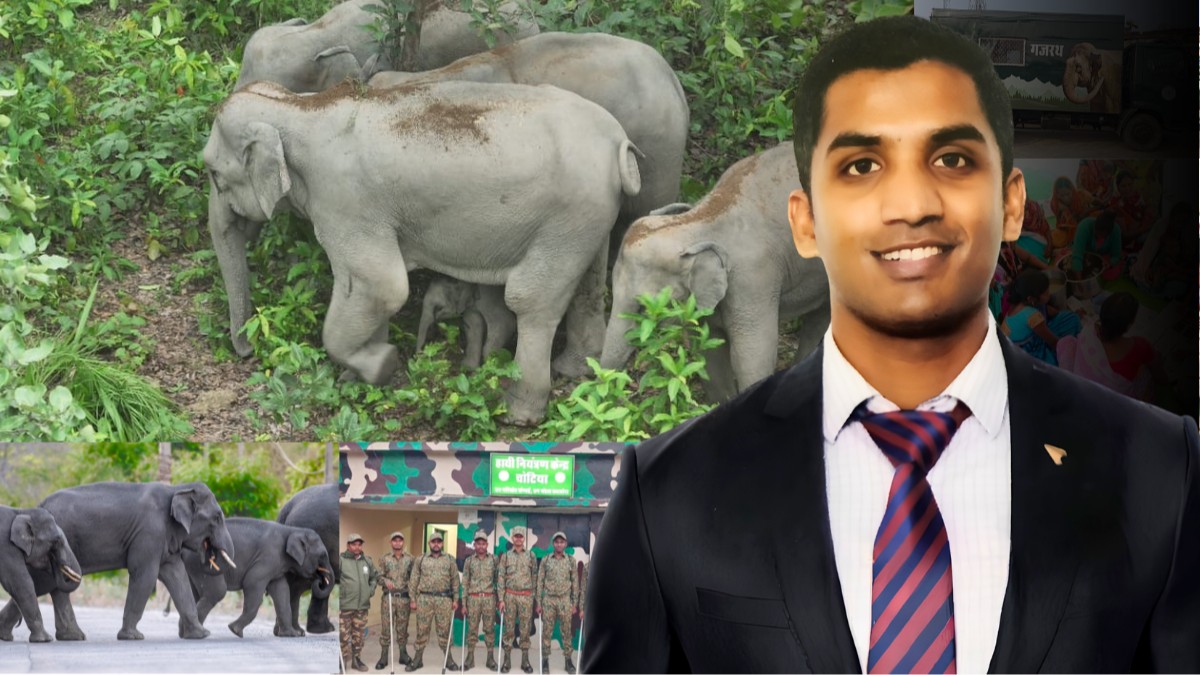
Managing human elephant conflict poses significant challenges. In Chhattisgarh Katghora Forest Division, a technology driven strategy backed by active community participation is helping mitigate the issue while also generating livelihood opportunities for locals.At the helm of this is DFO Nishant Kumar, a 2016-batch IFoS officer of Chhattisgarh cadre, who has introduced a series of initiatives to strengthen elephant monitoring, improve early warning mechanisms and promote safer coexistence between people and wildlife.
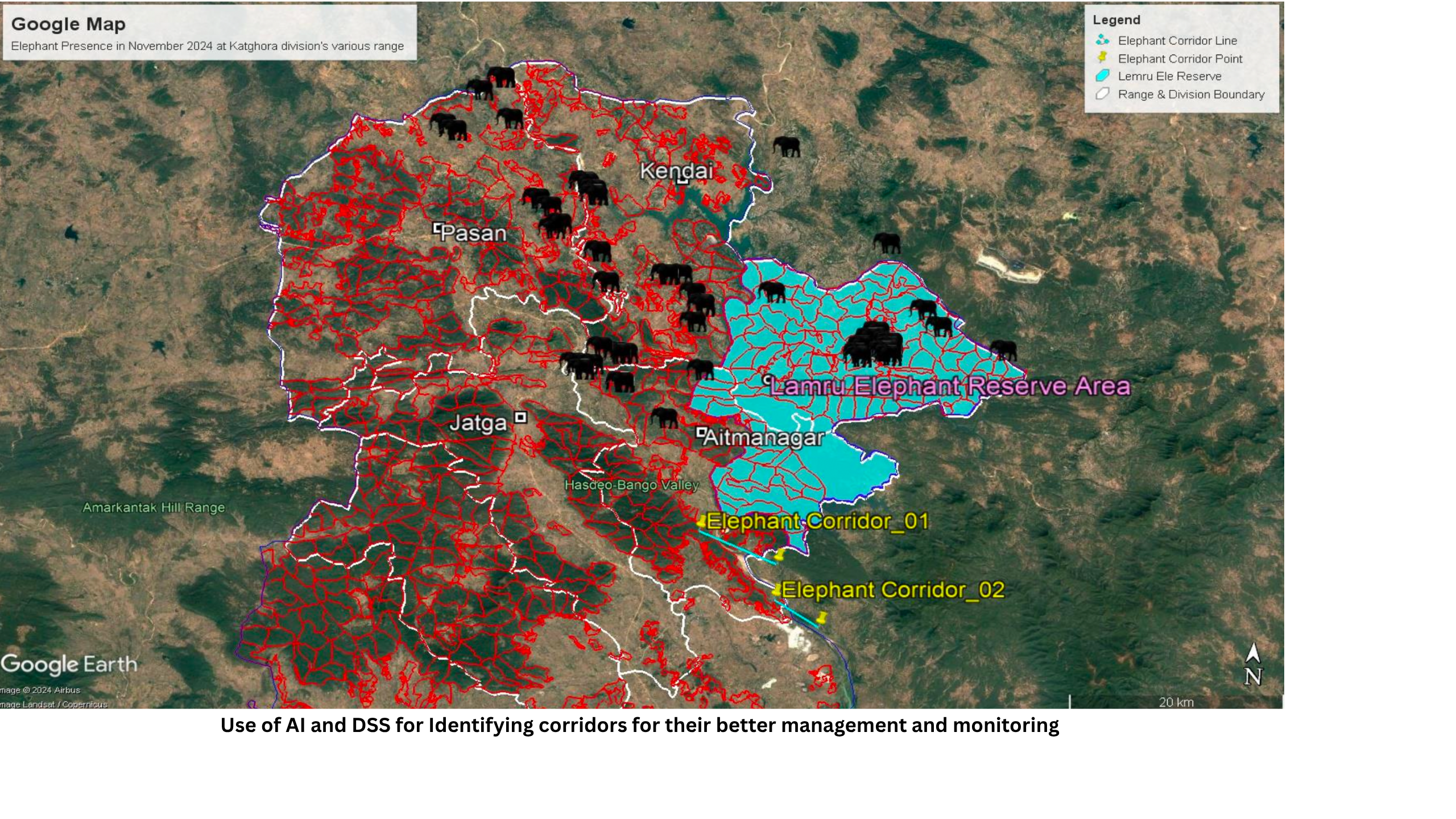
A key component of the approach is adoption of Artificial Intelligence (AI) and Decision Support Systems (DSS) used to identify critical elephant corridors including the Balco-Etma Nagar and Balco-Katghora corridors,along with several temporary movement routes.This has enabled forest officials to better understand elephant movement patterns and prioritize preventive actions.To secure corridors, fake land pattas encroaching on critical elephant habitat have also been identified using Google Earth and removed through physical drives.
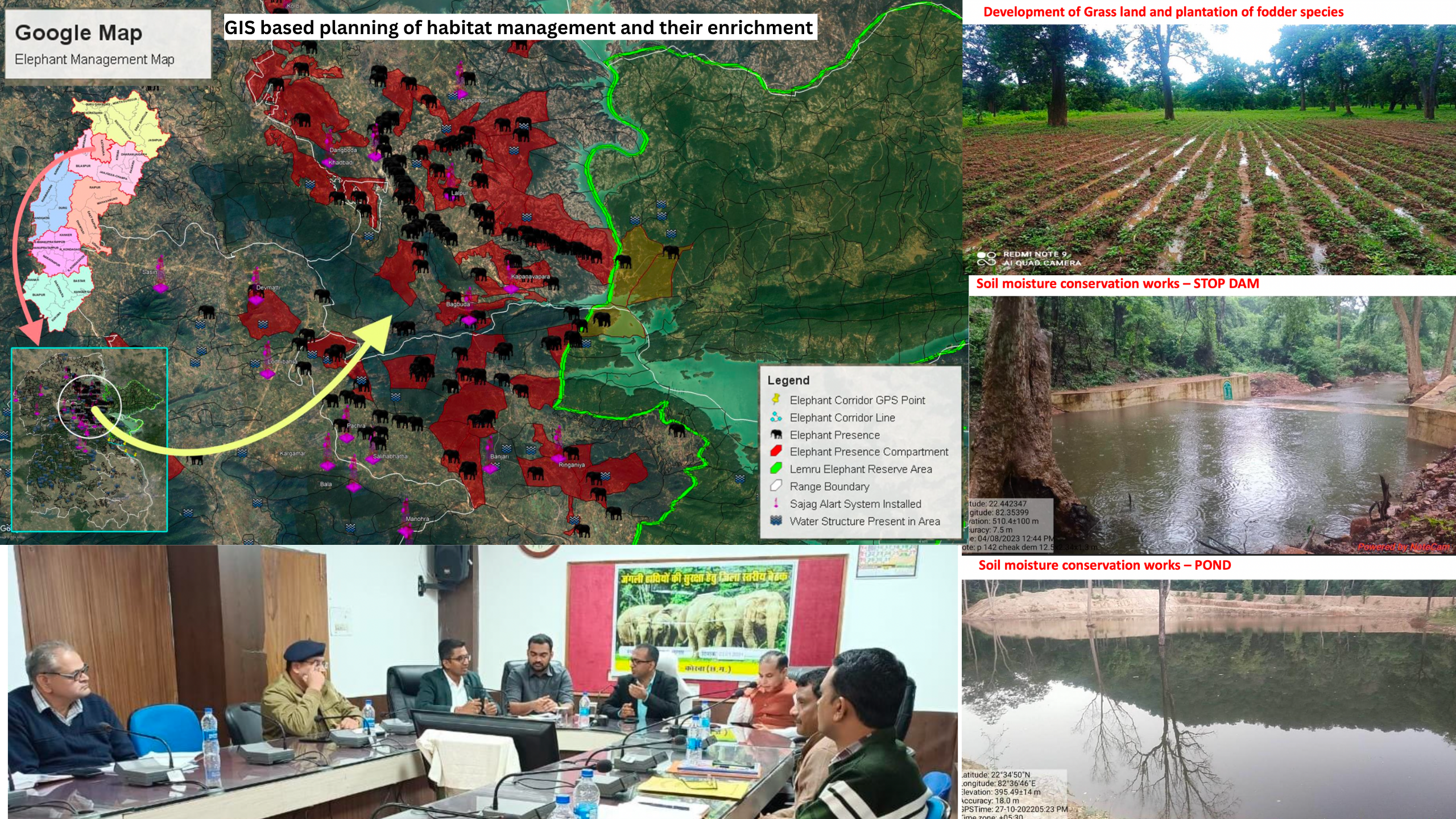
Along with monitoring elephants, the focus has also been on improving their natural habitat. . Using GIS-based planning, forest officials have identified areas and developed 100 hectares of grasslands , 50 hectares of fodder plantations,100 hectares of weed removal and carried out soil and moisture conservation works .To ensure year-round water availability, 88 water-harvesting structures has also been constructed minimizing the need for elephant herds to venture into human settlements
What makes the model unique is the integration of advanced technology with grassroots participation.The Forest Department has established Hathi Mitra Dals comprising trained local volunteers who help monitor elephant movement and spread awareness among villagers.Their efforts are supplemented by thermal drones, ODK-based reporting systems and the Sajag Alert platform, which sends real-time SMS alerts to residents in vulnerable areas.Since its introduction, the system has generated over 1.2 lakh alerts helping communities take precautionary measures and reducing the risk of encounters.
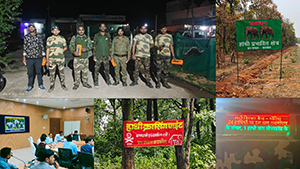
Furthermore, the field staff has also been equipped with modern rescue gear and experimental 'Solar Smart Sticks' plastic batons that deliver a mild defense shock if a wild animal attacks. To keep elephants away from residential properties and crops, the department has also rolled out 12V solar-powered shock fencing across heavily impacted villages. Complementing these ground efforts, Kumar has also established a 24x7 Elephant Control Centre and toll-free helpline for rapid response and coordination. Additionally regular meetings with departments such as Revenue, Police, Health and Electricity have further strengthened the initiative.
The efforts extend beyond wildlife management and also supports sustainable livelihoods for locals . A range of community-based initiatives promoted- lac cultivation, eco-tourism, dona-pattal manufacturing, soap and incense production, and value addition of forest produce through Van Dhan Vikas Kendras.
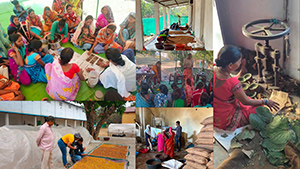
The Donganala herbal processing centre, operated by women's self-help groups has emerged as a notable example.The centre processes medicinal forest products and has generated substantial incomes for tribal families.The initiative has received recognition at both state and national levels demonstrating how community led enterprises can contribute to rural prosperity.
DFO Nishant Kumar model moves beyond conventional methods and compensation cases have since declined over 30% from the peak, showcasing how combining conservation, technology and community participation can drive meaningful change for both wildlife and locals.






Comments (0)
No comments yet. Be the first.