
IAS Himanshu Aggarwal’s CHETNA Model in Jalandhar, Preparing Youth for the Real World
While academic excellence remains the foundation of growth,true education lies in preparing students to navigate real-world challenges with confidence. IAS Himanshu Aggarwal, a 2014 Batch Officer of Punjab cadre and currently posted as Deputy Commissioner,Jalandhar has launched a Project CHETNA (Chi
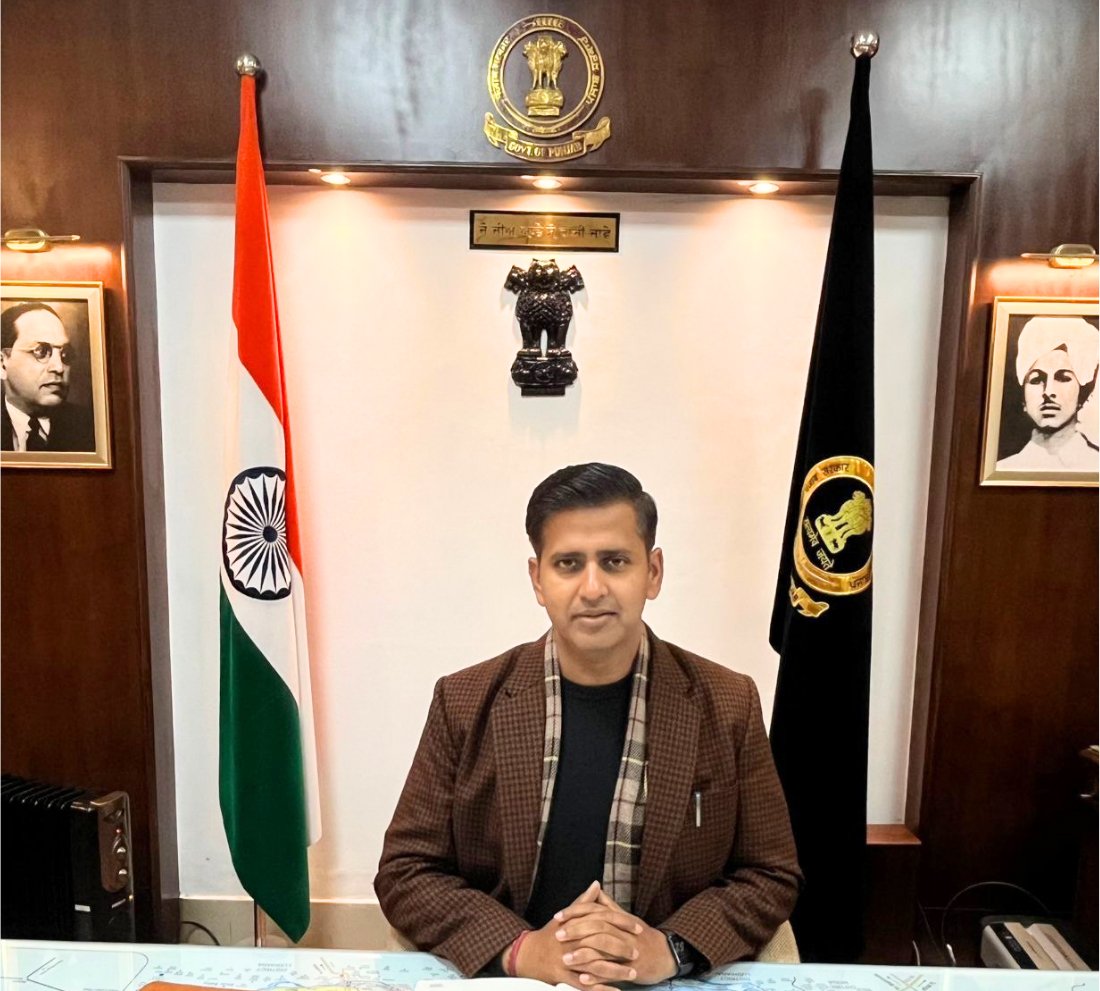
While academic excellence remains the foundation of growth,true education lies in preparing students to navigate real-world challenges with confidence. IAS Himanshu Aggarwal, a 2014 Batch Officer of Punjab cadre and currently posted as Deputy Commissioner,Jalandhar has launched a Project CHETNA (Children’s Health, Education, Training and Nutritional Assistance).A district-wide initiative designed to bridge the gap between classroom theory and practical life readiness.Byintegrating essential life skills into the formal school system, Jalandhar is preparing its youth not just to pass examsbut to thrive as informed and resilient citizens.
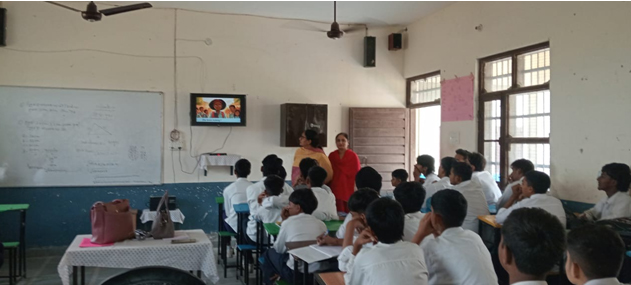
The Need for Intervention:Addressing the Preparedness Gap
While Interacting with government school students,Aggarwal saw a huge gap that though students were academically capable many lacked exposure of essential life skills.
Recognising that even simple adult responsibilities such as filling out bank forms,understanding salary slips or handling financial transactions appeared intimidating to students.Moreover in emergency situations like road accidents or medical crises,students often lacked handson knowledge of first aid or CPR.The growing digital landscape added another layer of vulnerability as students were not adequately trained to navigate cyber threats,phishing scams or online exploitation.Additionally, limited awareness around gender sensitivity,hygiene and career planning highlighted the need for a more holistic educational approach.
The Strategic Intervention:A Blueprint for Empowerment
To address these gaps,Project CHETNA institutionalized life-skills education across more than 70 government and private schools benefiting over 15,000 students.The curriculum is structured around six key pillars:
1. Digital Literacy and Safety
2. Financial awareness
3. Gender sensitivity
4. Sanitation and Hygiene
5. First Aid and Emergency response
6. Career guidance
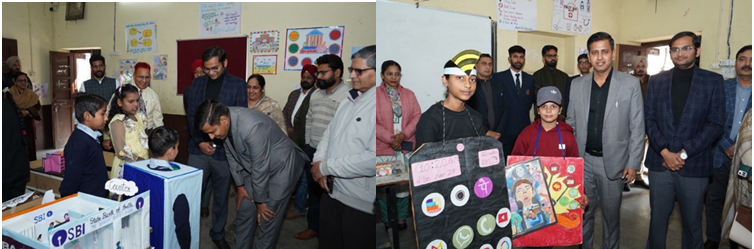
Additionally adding to the initiative is its “Say-Do-Ask” methodology designed at the district level by Assistant commissioner IAS Mukilan ensuring that learning is active rather than passive. Under this experiential learning, students first understand concepts in simple terms, then practice them through simulations such as performing CPR or enacting banking procedures and finally reflect on how these lessons apply to their daily lives.
To further increase exposure,visits to administrative offices and premier institutions are also arranged adding to students experience.These visits "humanize" the administration,teaching students how public systems work and encouraging them to take ownership of their role in a democracy.
To ensure sustainability Project CHETNA is incorporated as a weekly session led by trained teachersand not as a one-time workshop. Impact and Legacy:The Chetna Confluence
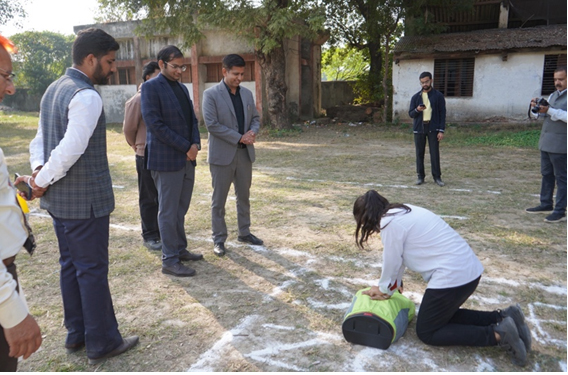
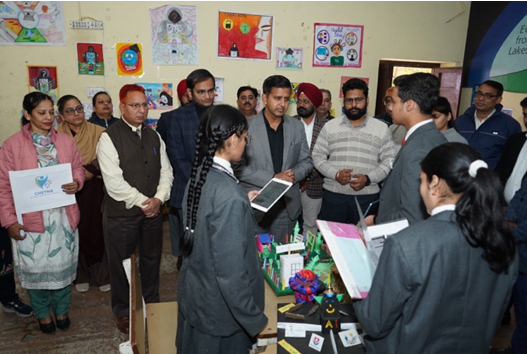
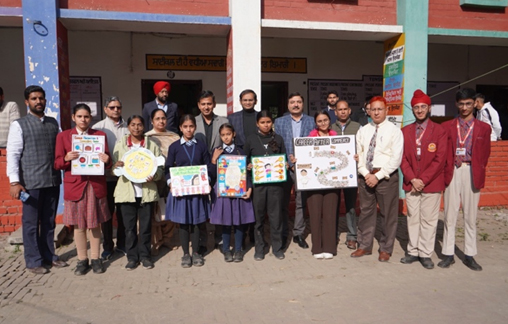
The success of the initiative was powerfully demonstrated during the Chetna Confluence: Skill and Survivalwhere students showcased their preparednessand learnings through realworld competitions.
Today, the legacy of Project CHETNA extends beyond the school gates.Students are now acting as "change agents" within their own families, sharing knowledge on financial security and medical safety. By combining administrative vision with community-wide engagement, Project CHETNA has set a new standard for holistic education in India.

Comments (0)
No comments yet. Be the first.