
IFoS Irfan Rasool Wani, CCF Kashmir at the Frontline of Forest Conservation and Climate Action in J&K
Forests are among the most vital natural assets of Jammu and Kashmir, forming the backbone of ecological stability, water security, biodiversity and rural livelihoods.Nearly 48 per cent of the Union Territory’s geographical area is recorded as forest,far higher than the national average, placi
.png)
Forests are among the most vital natural assets of Jammu and Kashmir, forming the backbone of ecological stability, water security, biodiversity and rural livelihoods.Nearly 48 per cent of the Union Territory’s geographical area is recorded as forest,far higher than the national average, placing Jammu and Kashmir among the most forest-rich regions of the country. Located in the ecologically fragile Western Himalayas,its forests and river systems, including the Jhelum,Chenab and Ravi act as critical watersheds and natural buffers against floods, landslides and soil erosion. As climate change intensifies pressure on these ecosystems, forest conservation and restoration have become more urgent than ever.
At the helm of forest governance in the Kashmir region is senior Indian Forest Service officer Irfan Rasool Wani (2006 batch), currently serving as Chief Conservator of Forests, Kashmir, a position he has held since August 2024. Under his leadership, the Forest Department has launched several transformative initiatives aimed at strengthening forest protection, restoring degraded ecosystems and reconnecting people with forests.
One of the most significant initiatives is the large-scale survey and installation of forest boundary pillars to safeguard forest land from encroachment. The Kashmir Valley alone has around 58,000 boundary pillars. Survey work has already been completed and installation is progressing rapidly, with full completion targeted by March 2026. In a pioneering move, the Forest Department has adopted advanced CORS (Continuously Operating Reference Stations) and DGPS (Differential GPS) technology for high-precision digital mapping of forest boundaries,making it the first department in Jammu and Kashmir to do so. This digital demarcation is expected to significantly strengthen protection against encroachments, enable better monitoring of forest cover changes and improve forest fire management.
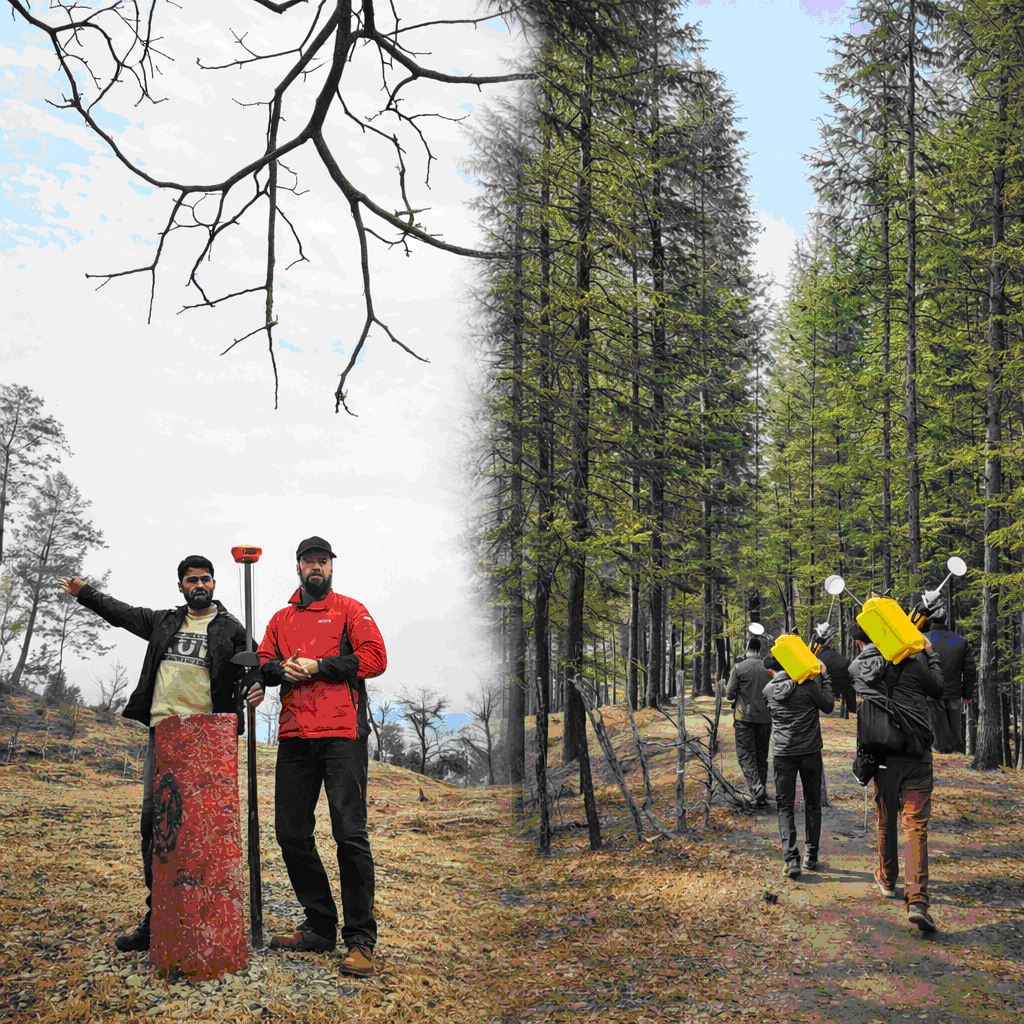
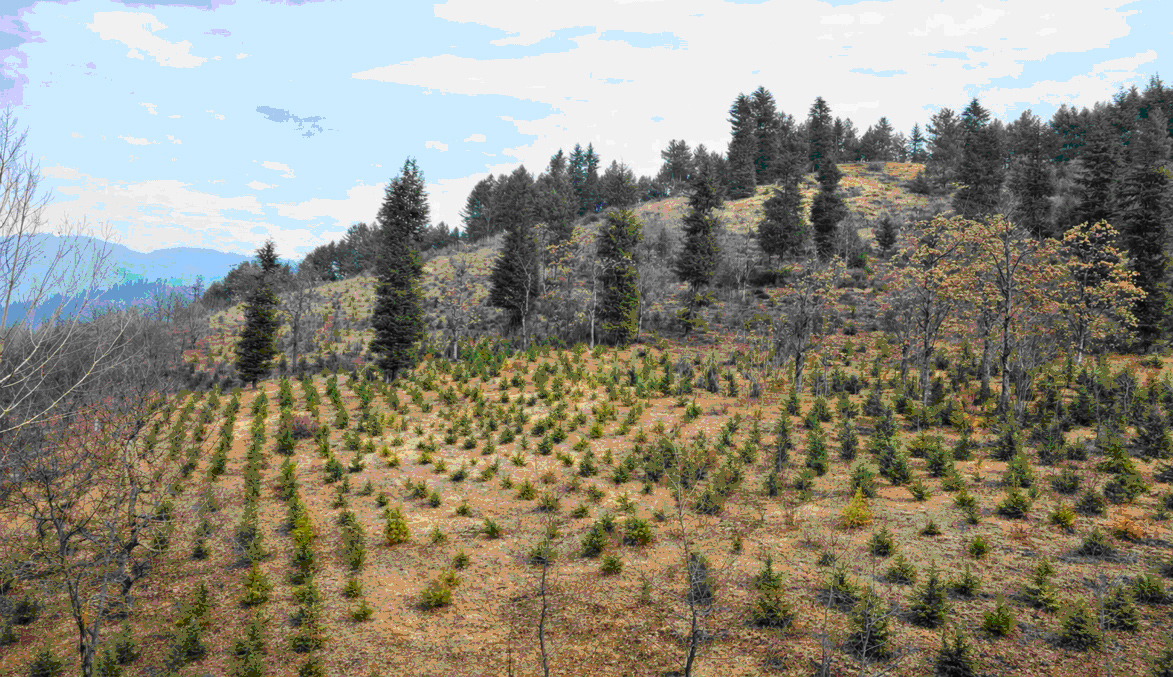
Parallel efforts are underway to revive degraded watersheds and restore ecological balance. Extensive soil and moisture conservation worksincluding spring rejuvenation, construction of check dams, water harvesting structures and afforestationare being carried out across critical catchments. Major eco-restoration projects at Khazanmatti (Kupwara), Manasbal (Ganderbal) and Veerwan (Baramulla) are stabilising fragile mountain slopes through an integrated mix of forestry and engineering solutions.
A landmark achievement has been the successful completion of a pioneering spring census, which identified over 18,000 springs across all districts of Jammu and Kashmir. This comprehensive exercise will serve as a crucial baseline for scientific water conservation planning and targeted interventions. It is expected to significantly improve moisture regimes in critical catchment areas, thereby strengthening long-term water security and ecological resilience.
Over the past two years, the Forest Department has consistently planted more than 30 lakh saplings on degraded forest land in the Kashmir region to improve forest cover. Notably, public participation has been central to these efforts. Schools, NGOs, government institutions, police and paramilitary forces have actively joined plantation drives, transforming them into a mass green movement.
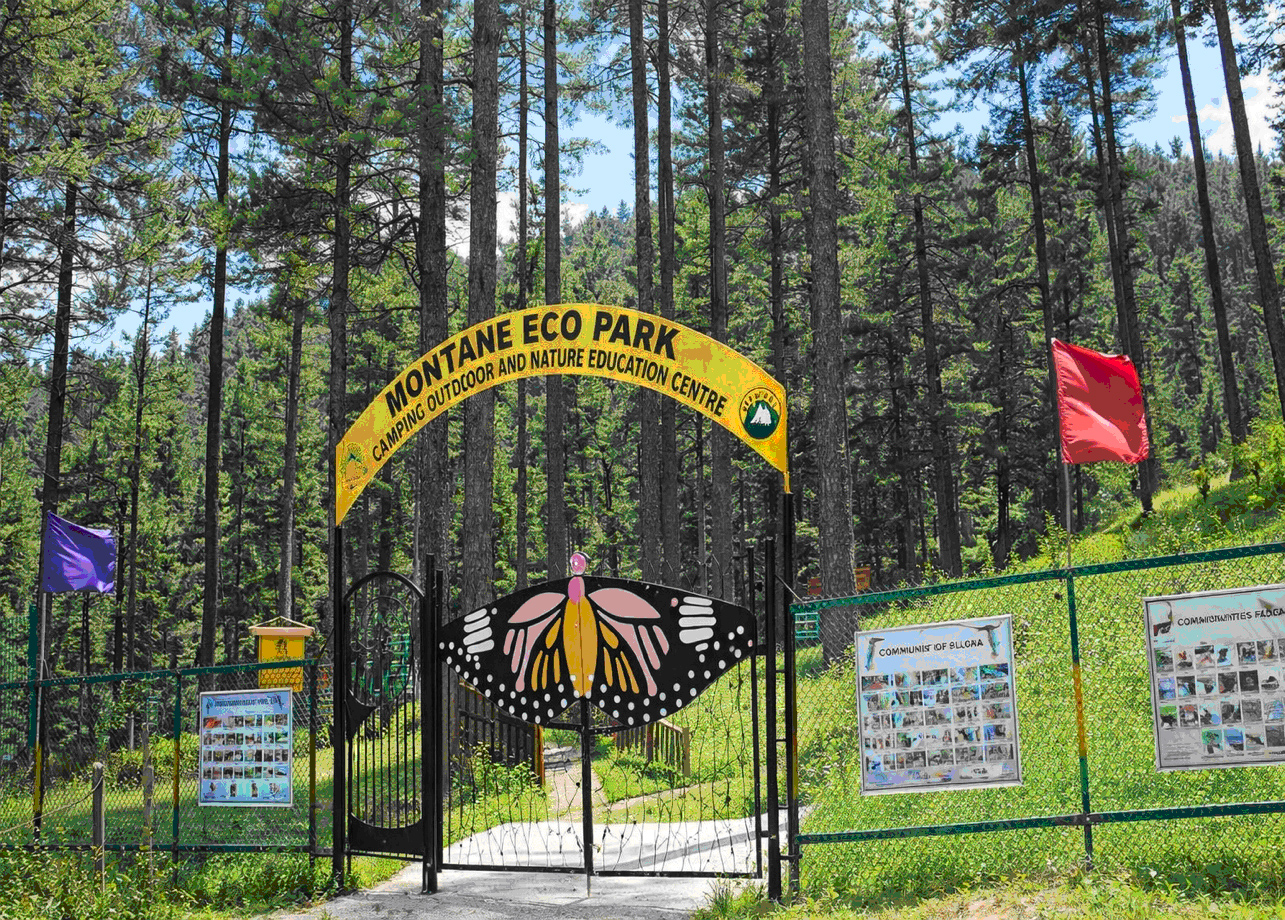
Beyond conservation, the Forest Department is re-envisioning forests as spaces for recreation, education and sustainable livelihoods. Over the last two years, 84 trekking routes, 13 eco-parks and 11 Nagar Vans have been developed across the region. These initiatives have opened up off-beat destinations, generated employment for local youth and reduced pressure on forests. More than six lakh visitors have explored these eco-parks over the past three years, providing a significant boost to local economies.
To strengthen people-nature connect, the Forest Department has established Nature Libraries in schools located near forest-fringe villages and published an innovative activity book titled “Van Darshini”, featuring 14 nature-based learning activities for students.
For Kashmir, forests are not a distant environmental concern; they are the lifeline and one of its greatest assets. They regulate the flow of rivers, stabilise fragile mountains, sustain agriculture and shape nature-based tourism that is central to the Valley’s economy and global image. In a region where climate change is altering snowfall patterns, shrinking glaciers and intensifying extreme weather events, healthy forests are critical to both ecological resilience and sustainable tourism. The sustained efforts of the Indian Forest Service and the Forest Department therefore represent an investment not just in conservation, but in Kashmir’s water security, tourism economy and long-term stabilityensuring that the Valley’s natural beauty and ecological strength endure for generations to come.






Comments (0)
No comments yet. Be the first.