
Serious changes being considered for GRAP: From extension of jurisdiction to Zonal Appointments
Serious changes are being considered for the Graded Response Action Plan (GRAP) administered by the Commission for Air Quality Management (CAQM) under the Department of Environment, as preparations intensify ahead of the winter pollution spike in the NCR region. The revised implementation is set to
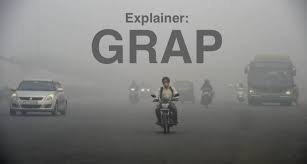
Serious changes are being considered for the Graded Response Action Plan (GRAP) administered by the Commission for Air Quality Management (CAQM) under the Department of Environment, as preparations intensify ahead of the winter pollution spike in the NCR region. The revised implementation is set to cover the entire NCR more rigorously, with additional measures and zonal deputations under discussion to improve on-ground monitoring and enforcement. These changes respond to persistent concerns about deteriorating air quality in winter months, triggered by factors like stubble burning, heavy vehicular emissions, and unfavourable meteorological conditions that cause pollutants to hang in the atmosphere.
The CAQM has issued updated orders throughout 2025, repeatedly reviewing air quality data and forecast models to adapt GRAP restrictions. The introduction of zonal deputations is aimed at effective implementation of pollution control measures in hotspots identified by live source apportionment and regional inventories, ensuring swift action and accountability at the local level. Extension of the GRAP’s scope underlines proactive management for the entire NCR, demanding close cooperation between state bodies, local agencies and technical enforcement teams.
With the possibility of abrupt pollution surges due to climatic events and increased emissions during winter, CAQM’s evolving strategy seeks to maintain vigilance, prioritize citizen health, and prevent the region from slipping rapidly into severe AQI stages. This comprehensive approach, including sustained enforcement and enhanced monitoring, will likely inform policy moves in the coming months as NCR braces for the seasonal pollution crisis.




Comments (0)
No comments yet. Be the first.